
Loading views... Views
Forward-Facing vs Parent-Facing Stroller: Which Seat Direction Is Better for Your Baby's Development?

Choosing a stroller is one of the most important decisions new parents make—and surprisingly, the direction your baby faces plays a bigger role than most realize. If you’ve ever wondered “should my baby face me or the world?”, you’re not alone. The debate around forward-facing vs parent-facing stroller India is common, especially among first-time parents trying to balance comfort, safety, and development.
Let’s break it down in a simple, practical way so you can confidently decide what works best for your little one.
Why Seat Direction Matters More Than You Think
A stroller isn’t just a transport tool—it’s where your baby observes, learns, and connects. The stroller seat direction newborn stage versus toddler stage can impact emotional bonding, sensory stimulation, and even stress levels.
The two main options are:
-
Parent-facing (rear-facing): Baby looks at you
-
Forward-facing: Baby looks at the outside world
Each has its benefits, and the “right” choice often depends on your baby’s age and temperament.
Parent-Facing Strollers: Comfort, Bonding & Early Development
For newborns and younger infants, parent facing stroller benefits India are hard to ignore.
1. Stronger Emotional Connection
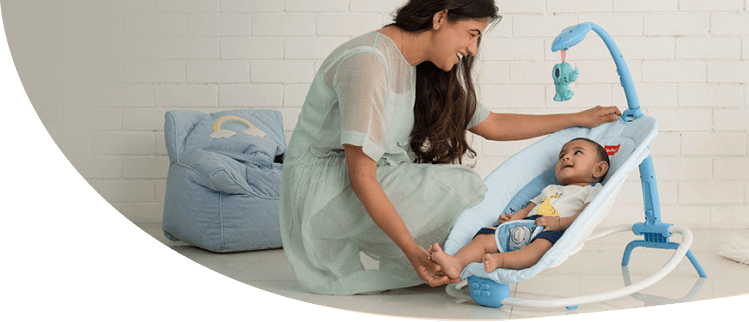
Babies feel safest when they can see your face. Eye contact, smiles, and talking to your baby help build trust and emotional security. This is especially crucial in the first 6–9 months.
2. Easier Monitoring
With a parent-facing seat, you can instantly notice if your baby is uncomfortable, sleepy, or overstimulated. No need to stop and check constantly.
3. Reduced Overstimulation
The outside world can be overwhelming—noise, movement, lights. Facing you helps filter that stimulation, keeping your baby calm.
4. Better Communication
Talking, singing, or simply reassuring your baby becomes effortless. These small interactions support early language development.
👉 This is why pediatricians often recommend parent-facing setups for newborns.
Forward-Facing Strollers: Exploration & Independence
As your baby grows, curiosity takes over. This is where forward-facing strollers shine.
1. Encourages Exploration
Babies love to observe their surroundings. A forward-facing seat lets them see people, colors, and movement—great for cognitive stimulation.
2. Builds Independence
Around 9–12 months, babies become more confident. Facing outward allows them to engage with the world on their own terms.
3. Keeps Active Babies Engaged
Some babies get restless when they can’t see what’s happening. Forward-facing helps reduce fussiness in such cases.
4. Supports Sensory Development
New sights, sounds, and experiences contribute to brain development, especially during toddlerhood.
So, Which Way Should Baby Face in Stroller?
Here’s a simple baby stroller seat direction guide based on age:
-
0–6 months: Parent-facing is ideal
-
6–12 months: Mostly parent-facing, occasional forward-facing
-
12+ months: Gradual shift to forward-facing
That said, every baby is different. Some may prefer exploring earlier, while others stay comforted by seeing you longer.
The Best of Both Worlds: Reversible Strollers
If you’re still unsure, a stroller with a reversible seat or handle can be a smart choice.
Reversible Handle Stroller Benefits:
-
Switch directions based on your baby’s mood
-
Adjust for different environments (busy streets vs quiet parks)
-
Extend usability as your baby grows
This flexibility makes it easier to adapt without buying multiple strollers.
Key Factors to Consider Before Choosing
When deciding between forward-facing vs parent-facing stroller India, keep these practical points in mind:
1. Baby’s Age & Personality
Sensitive babies may prefer parent-facing longer, while curious ones may enjoy forward-facing earlier.
2. Environment
Crowded, noisy places? Parent-facing helps reduce stress.
Parks or calm areas? Forward-facing works well.
3. Safety & Comfort
Always ensure proper recline, harness, and head support—regardless of direction.
4. Your Comfort as a Parent
If you feel more reassured seeing your baby, a parent-facing setup will give you peace of mind.
Expert Insight: What Matters Most
There’s no one-size-fits-all answer. Child development experts generally agree that:
-
Early months = connection and security
-
Later months = exploration and independence
Instead of choosing one permanently, think of stroller direction as something that evolves with your baby.
Final Thoughts
Choosing between forward-facing and parent-facing isn’t about picking one forever—it’s about understanding your baby’s changing needs.
Start with closeness. Let your baby feel secure, hear your voice, and see your smile. Then, gradually open up their world as they grow curious and confident.
If flexibility matters to you, consider a baby stroller that adapts along the way. Because in the end, the “best” stroller direction is the one that keeps your baby happy, safe, and thriving—while making your parenting journey a little easier.


