
Loading views... Views
Baby Walker: The Anti-Screen Movement - Sensory-Rich Play for 2026 Toddlers

In 2026, parenting conversations are shifting. More families are consciously reducing screen exposure and returning to something beautifully simple: sensory-rich, movement-led play. The anti-screen movement isn’t about eliminating technology entirely—it’s about reclaiming early childhood as a time for exploration, touch, balance, curiosity, and physical development.
For toddlers, especially those transitioning from crawling to confident steps, the environment we create at home matters more than ever. The right indoor baby activity gear can transform everyday spaces into learning zones that nurture motor skills, emotional regulation, and cognitive growth—without a single glowing screen.
Why the Anti-Screen Shift Is Gaining Momentum
Early childhood experts consistently emphasize that the first three years are critical for brain development. During this phase, neural pathways form rapidly through sensory input and physical interaction—not passive viewing.
When toddlers press, crawl, pull up, bounce, push, or ride, they’re building:
-
Gross motor coordination
-
Balance and spatial awareness
-
Core strength
-
Hand–eye coordination
-
Cause-and-effect understanding
Screens stimulate visually but rarely engage the full body. Sensory play, on the other hand, activates multiple systems at once. That’s why many modern parents are consciously designing homes around developmental play for toddlers rather than digital distraction.
The Foundation: Floor-Level Exploration
Every sensory-rich environment begins at ground level.
A thoughtfully designed LuvLap play mat or similar cushioned surface creates a safe base for:
-
Tummy time
-
Rolling and crawling
-
Assisted standing
-
Early cruising
Textured fabrics, contrasting colors, and soft elements stimulate tactile and visual development. More importantly, they encourage free movement—something essential before introducing walkers or ride-ons.
Parents often underestimate how much learning happens on the floor. Crawling across a mat strengthens shoulder stability and core muscles—key foundations for walking. Reaching for toys builds bilateral coordination. Even simple stretching and twisting enhance body awareness.
When toddlers are given time and space to move freely, they naturally build the confidence required for independent steps.
Safe Containment Without Limiting Exploration
One of the biggest challenges modern parents face is balancing safety with freedom. This is where a thoughtfully chosen baby playpen becomes valuable—not as confinement, but as a secure exploration zone.
A well-sized baby playpen allows toddlers to:
-
Pull up and cruise along sturdy panels
-
Practice squatting and standing
-
Engage with sensory toys safely
Within this contained area, parents can introduce textured balls, soft blocks, musical toys, and push toys—turning the playpen into a mini movement lab.
The key is intentional setup. Instead of filling the space with flashing lights or sound-heavy toys, focus on items that require action: pushing, stacking, climbing, reaching.
Movement-Based Seating: Supporting Early Balance
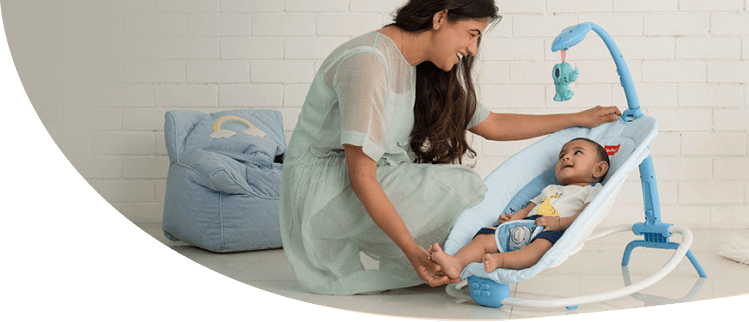
Before toddlers master walking, they often benefit from dynamic seating options such as bouncers & rockers.
Modern bouncers & rockers encourage gentle movement that:
-
Strengthens leg muscles
-
Improves balance reactions
-
Supports vestibular development
The vestibular system—responsible for balance and spatial orientation—develops best through motion. Rocking, bouncing, and shifting weight teach toddlers how their bodies respond to gravity.
When used appropriately and under supervision, these tools provide valuable sensory feedback without overstimulation.
The Role of Baby Walkers in the Anti-Screen Era
The term “baby walker” can mean different things. Traditional seated walkers are debated among experts, but push walkers and activity walkers—which require toddlers to stand and move independently—align beautifully with the anti-screen philosophy.
Push walkers:
-
Encourage upright posture
-
Promote coordinated stepping
-
Build leg strength
-
Improve confidence
Unlike screen time, which limits physical engagement, push-style baby walkers invite toddlers to explore their environment actively.
When paired with open floor space, they become tools for discovery rather than containment.
Expanding Horizons: Ride-Ons and Early Mobility
As toddlers gain stability, movement evolves into propulsion.
Baby ride ons introduce early coordination between steering, pushing, and directional awareness. Whether foot-powered or balance-based, they enhance:
-
Core stability
-
Lower body strength
-
Spatial judgment
Later, transitional tools like a kids scooter (age-appropriate and properly supervised) further develop:
-
Dynamic balance
-
Reflex control
-
Confidence in outdoor exploration
These forms of indoor baby activity gear extend sensory learning beyond static play. They transform movement into adventure—without relying on digital engagement.
Creating a Sensory-Rich Home in 2026
Designing a movement-friendly home doesn’t require excess equipment. It requires intention.
Here’s a practical structure parents can follow:
1. Build a Soft Base
Use cushioned floor mats to encourage free exploration.
2. Add Vertical Opportunities
Include safe surfaces for pulling up—playpen panels, sturdy furniture, activity tables.
3. Introduce Movement Tools
Rotate between:
-
Push walkers
-
Ride-ons
-
Rockers
-
Balance toys
4. Limit Passive Toys
Avoid overuse of light-and-sound toys that entertain without requiring effort.
5. Rotate, Don’t Overload
Too many toys can overwhelm. A rotating system keeps engagement high.
The Emotional Benefit of Screen-Free Play
The anti-screen movement isn’t just about physical milestones. It’s also about connection.
When toddlers engage in sensory play:
-
They look to caregivers for cues
-
They seek encouragement
-
They celebrate small wins
Moments like first independent steps with a walker or first confident ride across the living room floor create emotional bonding experiences that no animated video can replicate.
Screen-free environments also encourage problem-solving. When a toddler encounters a small obstacle while pushing a walker, they pause, adjust, and try again. That resilience is developmental gold.
Developmental Play for Toddlers: What Experts Emphasize
Early childhood specialists highlight three pillars:
-
Movement builds the brain.
-
Repetition builds mastery.
-
Environment shapes behavior.
When homes are equipped with safe, engaging tools—like play mats, secure playpens, push walkers, and ride-ons—toddlers naturally gravitate toward movement.
This is the heart of developmental play for toddlers in 2026:
Less passive consumption. More embodied learning.
A Balanced Perspective
The anti-screen movement doesn’t demand perfection. It encourages mindfulness.
A short video call with grandparents or an occasional song isn’t harmful. But replacing daily background screen time with:
-
Floor play
-
Rocking sessions
-
Push walking practice
-
Ride-on adventures
…can significantly enhance sensory integration and motor development.
The early years are fleeting. Toddlers don’t need digital stimulation to thrive—they need safe spaces, supportive tools, and caregivers who encourage movement.
Final Thoughts
As parenting evolves, one principle remains timeless: children learn best by doing.
In a world increasingly shaped by technology, choosing sensory-rich, movement-focused environments is a powerful act of care. From a supportive play mat to a secure playpen, from dynamic bouncers to push-style walkers and ride-ons, every intentional choice shapes a toddler’s confidence and capability.
The anti-screen movement of 2026 isn’t about restriction. It’s about restoration—bringing childhood back to hands-on discovery, balanced growth, and joyful, screen-free exploration.


