
Loading views... Views
Building a Home Playzone: Choosing the Right Slides and Rockers for Indoor Energy Burn

For young children, movement isn’t just play—it’s how they grow, learn, and regulate their emotions. But for many parents, especially those living in apartments or homes with limited outdoor access, helping children burn energy indoors can feel like a daily challenge. Rainy days, hot summers, safety concerns, or busy schedules often mean outdoor playtime isn’t always possible.
That’s where a thoughtfully designed home playzone comes in. With the right mix of indoor slides, rockers, and ride-on toys, parents can create a safe space that encourages movement, balance, coordination, and joyful independence—all within the comfort of home.
This guide walks you through how to choose the right slides and rockers for indoor energy burn, based on your child’s age, development stage, and available space—so playtime stays purposeful, safe, and stress-free.
Why Indoor Energy Burn Matters for Young Children
Toddlers and preschoolers are wired to move. According to early childhood development experts, regular physical activity helps children:
-
Strengthen muscles and bones
-
Improve balance and coordination
-
Develop spatial awareness
-
Release pent-up energy and reduce restlessness
-
Support better sleep routines
When movement needs aren’t met, children may become cranky, overstimulated, or struggle to focus. Indoor play equipment bridges this gap by turning everyday play into healthy physical activity.
Understanding Your Child’s Movement Needs
Before choosing any equipment, it’s important to consider how your child likes to move.
-
Climbers and explorers enjoy slides and gentle climbing challenges
-
Rockers and sway-seekers love rhythmic motion
-
Independent movers prefer ride-ons and self-propelled toys
-
Cautious beginners benefit from low-height, stable equipment
Matching the equipment to your child’s natural movement style keeps play engaging and frustration-free.
Indoor Slides: Encouraging Confidence Through Climbing and Sliding
Indoor slides are a staple of any home playzone—and for good reason. They offer a full-body workout while helping children build confidence through repetition.
What to Look for in an Indoor Slide
When selecting indoor slides, consider:
-
Age-appropriate height to ensure safe climbing
-
Wide steps and handrails for stability
-
Smooth slide surface for gentle, controlled descent
-
Compact design suitable for indoor rooms
Slides encourage climbing, gripping, and coordinated movement, making them especially beneficial for toddlers developing motor skills.
For families living in smaller homes, indoor slides that fold or fit neatly against a wall can be an excellent choice without overwhelming the space.
Rockers: Gentle Motion with Big Development Benefits
Rocking movement plays a key role in early childhood development. It helps stimulate the vestibular system, which controls balance and body awareness.
Why Rockers Are More Than Just Fun
A well-designed rocker supports:
-
Core strength development
-
Balance and posture
-
Sensory regulation
-
Calm, focused play
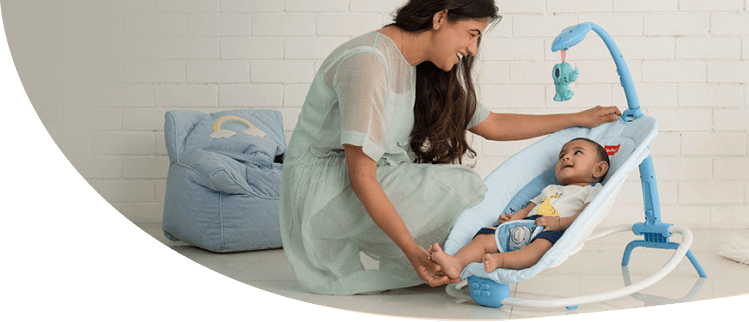
Products like the Joy-N-Giggles Baby Rocker are designed for younger children who are just beginning to explore movement. The gentle rocking motion provides comfort while allowing babies to engage their muscles safely.
As children grow, options like the Springdale Toddler Rocker offer slightly more dynamic movement, encouraging active rocking and imaginative play while maintaining stability.
Ride-On Toys: Independence in Motion
Ride-on toys are ideal for children who enjoy movement with control. They encourage coordination between hands, feet, and body weight while fostering independence.
The Sunny Swing Car, for instance, supports self-driven motion without pedals or batteries. Children learn how shifting their body helps them move forward, which strengthens motor planning skills and spatial awareness.
Ride-on toys work best in:
-
Living rooms with open floor space
-
Long hallways
-
Playrooms with minimal obstacles
They’re especially helpful for children who need an outlet for high energy bursts throughout the day.
Creating a Balanced Home Playzone
A successful indoor playzone doesn’t need to be large or complex. What matters is balance.
A Simple Playzone Setup Might Include:
-
One indoor slide for climbing and gross motor activity
-
One rocker for calming movement and balance
-
One ride-on toy for independent mobility
Rotating toys every few weeks can keep the environment fresh and engaging without adding clutter.
Safety First: Making Indoor Play Stress-Free
No matter how engaging the equipment, safety is non-negotiable.
Keep these tips in mind:
-
Place equipment on non-slip mats
-
Ensure adequate space around each item
-
Supervise younger children during play
-
Regularly check for loose parts or wear
Choosing age-appropriate products and following usage guidelines ensures that children can explore freely while parents enjoy peace of mind.
Adapting the Playzone as Your Child Grows
Children grow quickly, and their play needs evolve just as fast. What works for a 10-month-old may not engage a 2-year-old.
Look for equipment that:
-
Supports multiple stages of development
-
Encourages open-ended play
-
Can be combined or rearranged
Slides, rockers, and ride-ons that adapt to changing abilities offer long-term value and sustained engagement.
Final Thoughts: Play with Purpose, Even Indoors
Building a home playzone isn’t about filling your home with toys—it’s about creating a space where movement feels natural, safe, and joyful.
With the right mix of indoor slides, rockers like the Joy-N-Giggles Baby Rocker and Springdale Toddler Rocker, and ride-ons such as the Sunny Swing Car, parents can support healthy energy burn while nurturing confidence and independence.
Most importantly, indoor play gives children the freedom to move, explore, and grow—no matter the weather outside.


