
Loading views... Views
Sensory Play for Infants: Using Play Mats and Gyms to Boost Motor Skills

The first year of an infant’s life is a period of extraordinary growth. Long before babies can crawl, walk, or speak, their brains are already forming millions of connections every second. One of the most effective ways to support this early development is through sensory play—simple, everyday experiences that stimulate a baby’s senses and encourage movement.
Among the most valuable tools for sensory play are soft play mats and infant activity gyms. These thoughtfully designed spaces allow babies to explore textures, sounds, colours, and movements in a safe and comforting environment. When used intentionally, they play a powerful role in strengthening motor skills, enhancing tactile development, and building the foundation for future learning.
What Is Sensory Play and Why Does It Matter?
Sensory play involves activities that stimulate a baby’s senses—touch, sight, sound, and movement. For infants, this kind of play is not just entertainment; it is essential brain work.
Each time a baby reaches for a hanging toy, presses their fingers into a textured mat, or lifts their head during tummy time, they are building neural pathways that support:
-
Muscle coordination
-
Body awareness
-
Balance and posture
-
Cognitive processing
These early movements may look small, but they are critical stepping stones toward rolling over, sitting up, crawling, and eventually walking.
The Role of Soft Play Mats in Early Development
A soft play mat provides a baby with their first independent play space. More than just a comfortable surface, it acts as a sensory zone where infants can move freely and safely.
1. Encouraging Freedom of Movement
Unlike restrictive seating, play mats allow babies to stretch, kick, roll, and twist at their own pace. This unrestricted movement strengthens large muscle groups and helps infants understand how their bodies move in space.
2. Supporting Tactile Development
Many soft play mats include a variety of textures—smooth fabrics, quilted sections, raised patterns, or crinkly patches. These textures stimulate tactile development, helping babies learn to process different sensations through their hands, feet, and skin.
When infants repeatedly touch and feel these surfaces, they become more aware of sensory differences, which supports both physical coordination and emotional regulation.
3. Creating a Safe Space for Daily Play
Consistency matters in infant development. A familiar play mat becomes a predictable environment where babies feel secure enough to explore. This sense of safety encourages longer, more focused periods of play, which directly benefits motor skill development.
Infant Activity Gyms: Movement Meets Sensory Exploration
Infant activity gyms take sensory play a step further by adding vertical and interactive elements. With arches, hanging toys, mirrors, and sound features, these gyms invite babies to move with purpose.
1. Building Hand–Eye Coordination
When babies look at a toy and attempt to bat, grasp, or pull it, they are developing hand–eye coordination. These repeated attempts help refine fine motor skills and strengthen arm and shoulder muscles.
2. Strengthening Core and Upper Body Muscles
Reaching upward or sideways requires core engagement. Over time, these movements help infants gain the strength needed for rolling over and pushing up during tummy time.
3. Sensory Engagement Through Sound and Motion
Many activity gyms include rattles, bells, or crinkle toys. These auditory elements teach babies that their actions can create responses—a key early lesson in cause and effect.
Tummy Time: A Cornerstone of Motor Skill Development
Tummy time is one of the most important activities for infants, and play mats and gyms can make it more engaging and effective.
Why Tummy Time Matters
Spending time on the stomach helps babies:
-
Strengthen neck and shoulder muscles
-
Improve head control
-
Prepare for crawling and sitting
Without enough tummy time, infants may experience delays in gross motor development.
Using Tummy Time Mirrors for Motivation
Tummy time mirrors are especially helpful for keeping babies interested while they work hard to lift their heads. Seeing their own reflection captures attention, encourages longer tummy time sessions, and promotes visual tracking.
Mirrors also support early social development, as babies begin to recognize faces and expressions—even their own.
Age-Wise Sensory Play Ideas Using Mats and Gyms
0–3 Months
-
Short tummy time sessions on a soft play mat
-
High-contrast visuals and simple hanging toys
-
Gentle textures to explore with hands and feet
3–6 Months
-
Reaching and grasping toys in an infant activity gym
-
Rolling practice on open mat spaces
-
Interactive tummy time with mirrors and sounds
6+ Months
-
Sitting play on padded mats
-
Toy exploration that encourages twisting and leaning
-
Transitioning from rolling to crawling movements
Each stage builds on the last, reinforcing muscle strength and sensory awareness.
Creating a Sensory-Rich Play Environment at Home
You don’t need an elaborate setup to support sensory play. A few thoughtful choices can make a meaningful difference:
-
Place play mats in well-lit, calm areas
-
Rotate toys to keep experiences fresh
-
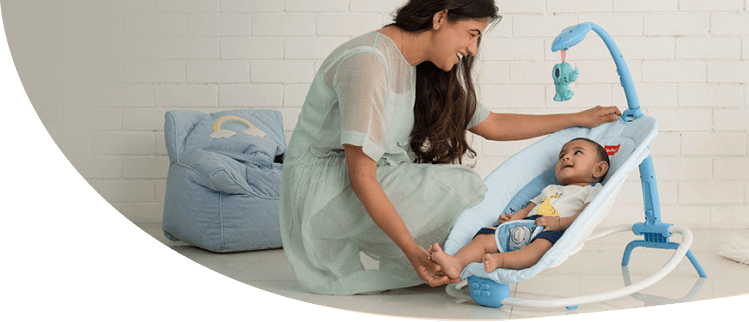
Engage with your baby during play—talk, smile, and respond
-
Allow your infant to explore independently without rushing
The goal is not to overstimulate, but to offer gentle, consistent opportunities for exploration.
The Long-Term Benefits of Early Sensory Play
Regular sensory play using soft play mats and infant activity gyms supports more than just physical milestones. Research and developmental experts agree that early sensory experiences contribute to:
-
Improved coordination and balance
-
Better focus and attention spans
-
Stronger body confidence
-
Enhanced emotional security
When babies feel free to explore safely, they develop trust in their abilities—an important foundation for lifelong learning.
Final Thoughts
Sensory play is one of the most natural and effective ways to support an infant’s development. Through the thoughtful use of soft play mats, infant activity gyms, varied textures for tactile development, and engaging elements like tummy time mirrors, parents can create enriching experiences that nurture both body and mind.
In these early months, every stretch, reach, and roll matters. By providing a supportive play environment, you’re not just helping your baby build motor skills—you’re helping them discover the joy of movement and exploration, one small moment at a time.


